Mental Wellbeing and Agent Performance
Mental health has a significant impact on overall agent performance in contact centers. Several studies have highlighted the relationship between psychological well-being and job performance (Wright & Cropanzano, 2000). Factors such as depression, loss of self-esteem, hypertension, alcoholism, and drug consumption have been shown to be related to work-related dysfunctional psychological well-being, which in turn leads to declines in work outcomes (Wright & Cropanzano, 2000). This suggests that maintaining good mental health is crucial for optimal performance in contact centers.
Emotional Intelligence and Agent Well-Being
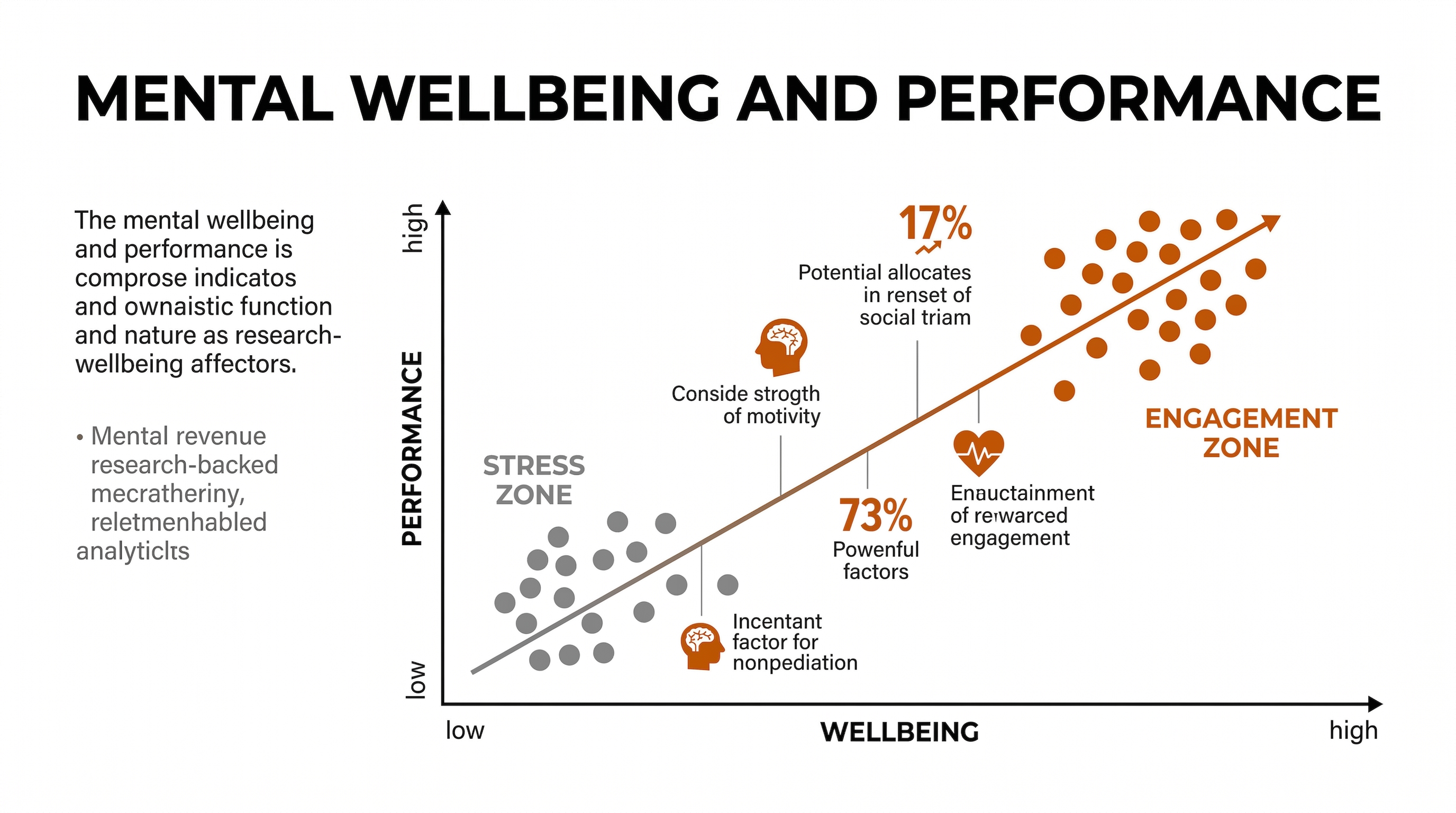
Emotional intelligence is another important factor that affects agent performance in contact centers. A study conducted in call centers in Africa found that call center agents’ emotional intelligence and their sense of meaningfulness significantly moderated exhaustion and professional efficacy (Harry, 2021). This highlights the importance of considering emotional intelligence and the perception of meaningfulness as resources for supporting agent well-being and performance. By fostering emotional intelligence and creating a sense of meaningfulness in the workplace, contact centers can help mitigate exhaustion and enhance professional efficacy.
Burnout and the Role of Mindfulness
Burnout is a common issue in contact centers, and it has a detrimental effect on agent performance. A literature review on burnout in contact centers found that mindfulness and emotional intelligence play significant roles in moderating burnout rates (Fulaedzah, 2022). Mindfulness and emotional intelligence training programs can help contact center agents develop coping mechanisms and enhance their well-being, ultimately improving their performance. Implementing such training programs can be an effective strategy for addressing the negative impact of burnout on agent performance.
The research on microbreaks in contact center environments adds a practical layer to this: short, structured pauses during shifts — particularly movement-based microbreaks — have been shown to reduce fatigue and improve vigor. These aren’t soft wellness perks; they’re operationally relevant interventions that affect the performance metrics organizations are already tracking.
The Workforce Management Connection
Mental wellbeing doesn’t exist in isolation from how a contact center is managed. The structure of work — scheduling density, occupancy targets, how breaks and coaching are allocated — directly shapes the psychological environment agents operate in.
High occupancy rates are among the most well-documented drivers of burnout in contact centers. When agents spend 90%+ of their paid time in active customer interactions with minimal recovery time between contacts, the cumulative toll on emotional and cognitive resources is measurable. Organizations that treat occupancy targets as purely financial levers, without modeling the human cost, are trading short-term cost efficiency for long-term attrition risk.
Modern WFM frameworks address this directly. The employee-first approach that WFM Labs advocates isn’t sentiment — it’s rooted in the Service-Profit Chain research showing that employee satisfaction is a lead indicator of customer experience quality and, downstream, of revenue. Protecting agents’ psychological resources isn’t at odds with operational efficiency; it’s a precondition for sustainable performance.
Practical Implications for WFM Teams
For workforce management practitioners, the research on mental wellbeing translates into several concrete areas of intervention:
Occupancy management — Setting occupancy targets that reflect the cognitive and emotional demands of the specific interaction types handled, not just the mathematics of utilization. High-complexity or high-emotional-intensity queues warrant lower occupancy assumptions.
Recovery time — Scheduling that builds genuine recovery periods into the shift structure, not just compliance with regulated break requirements. The difference between a 10-minute break at the mathematically optimal interval versus a break when the agent actually needs one is significant in high-stress environments.
Coaching and development delivery — Organizations that sacrifice coaching during peak periods (a common practice when traditional scheduling models can’t accommodate both) systematically deprive agents of the resources that support their sense of competence and progress — two of the factors most associated with sustained engagement.
Monitoring leading indicators — Tracking schedule adherence patterns, absence rates, and handle time variance as early signals of burnout risk, rather than waiting for attrition to become visible. Solving agent attrition requires detecting the early stages of disengagement, not just responding after departure.
The connection between mental wellbeing and the high cost of employee attrition is direct. Burnout precedes disengagement, disengagement precedes departure, and departure carries replacement costs that the research consistently estimates between 50% and 200% of annual salary per agent. The investment case for mental health support in contact centers is not a humanitarian argument — it’s a financial one.
Conclusion
Mental health has a profound impact on overall agent performance in contact centers. Factors such as psychological well-being, emotional intelligence, and burnout significantly influence agent performance. Maintaining good mental health, fostering emotional intelligence, and implementing mindfulness training programs can help improve agent well-being and enhance their performance in contact centers. By prioritizing mental health and providing support for agents, contact centers can create a positive work environment that promotes optimal performance.
The workforce management function sits at the intersection of all these variables. Scheduling density, recovery time, coaching access, and occupancy policy are all WFM decisions with measurable mental health consequences. Understanding where your operation sits on the maturity curve is a useful starting point — organizations at higher maturity levels tend to have both the tools and the organizational culture to manage these variables proactively.
References
Fulaedzah, I. (2022). Burnout on contact center: a literature review. Interdisciplinary Social Studies, 1(4), 383-402. Link
Harry, N. (2021). Call centre agents’ emotional intelligence as predicators of their exhaustion and professional efficacy: the moderating effect of meaningfulness. SA Journal of Industrial Psychology, 47. Link
Wright, T. and Cropanzano, R. (2000). Psychological well-being and job satisfaction as predictors of job performance. Journal of Occupational Health Psychology, 5(1), 84-94. Link